A patio covered in slippery green algae needs a very different approach from a roof with black streaks or a rendered wall showing signs of organic growth. Soft washing versus pressure washing is not simply a choice between low and high power. Using the wrong method can leave marks, damage a delicate surface, force water where it should not go, or allow the growth to return far too quickly.
The right clean protects the outside of your home as well as improving how it looks. For homeowners, landlords and occupiers, that means choosing a method based on the surface, the contamination and the condition of the property – not just what looks fastest.
What is pressure washing?
Pressure washing, often called jet washing, uses a powerful flow of water to lift and remove dirt, mud, moss, algae and built-up grime. It is particularly effective on hard exterior surfaces that can safely withstand the force of the water.
Driveways, patios, block paving, concrete paths and some decking areas are common candidates. When a surface has years of compacted dirt, tyre marks or slippery green growth, pressure washing can make a visible difference quickly.
The benefit is straightforward: it physically removes the surface contamination. It is a strong option where a solid, durable material needs a proper deep clean before it becomes unsafe underfoot or begins to look neglected.
That said, pressure is not a one-setting solution. Too much force, the wrong nozzle or holding the lance too close can scar paving, strip sealants, damage pointing and leave visible lines in softer stone. On block paving, it can also wash out the jointing sand, which may need replacing once the area is dry.
What is soft washing?
Soft washing uses low-pressure water alongside a specialist cleaning treatment designed to deal with organic growth. Rather than blasting the surface clean, it treats the algae, moss, lichen and biological staining at the source.
This makes it suitable for more delicate surfaces, including roofs, render, cladding, painted surfaces, soffits, fascias and many exterior walls. The application pressure is gentle, but the treatment does the important work.
A soft wash is not just a light rinse. It is a controlled cleaning process. The surface is assessed, the suitable treatment is applied, and the area is rinsed or allowed to weather naturally where appropriate. The aim is to kill the growth rather than merely remove the visible top layer.
That matters because green, red or black staining is often a sign of living organic matter. If it is only scraped or washed from the surface, spores can remain behind and the problem can return sooner than expected.
Soft washing versus pressure washing: the key difference
The main difference is how each method removes contamination. Pressure washing relies on force. Soft washing relies on a cleaning solution and low-pressure application.
Neither is automatically better. A pressure washer is usually the practical choice for durable paving with heavy dirt. Soft washing is normally safer for a tiled roof, rendered wall or painted finish where high pressure could cause lasting damage.
The type of staining also matters. Deep-set grime and mud on a driveway may need pressure washing. Algae staining across render may respond better to soft washing, because the treatment can deal with the growth without roughening or etching the finish.
A professional clean may sometimes use both methods in the same job. For example, a patio may be pressure washed to remove dirt and slippery build-up, then treated to slow the return of algae. The order and products used should always suit the material and its condition.
Where pressure washing is usually the right choice
Hard landscaping is where jet washing comes into its own. Patios and paths can become hazardous in wet weather, particularly in shaded gardens where algae grows quickly. A properly cleaned surface is safer to walk on and can improve the appearance of the whole property.
Pressure washing is often suitable for concrete, many paving slabs, block paving, brickwork in sound condition and tarmac where the correct technique is used. It can also be useful before re-sanding block paving or applying a suitable sealer.
Care is still needed around edges, drainage channels and loose pointing. Water should not be driven beneath paving slabs or towards door thresholds. If rainwater cannot drain away properly, cleaning the surface alone will not solve the wider issue. Blocked gullies, gullies full of silt and overflowing gutters should be dealt with as part of looking after the property.
When soft washing is the safer option
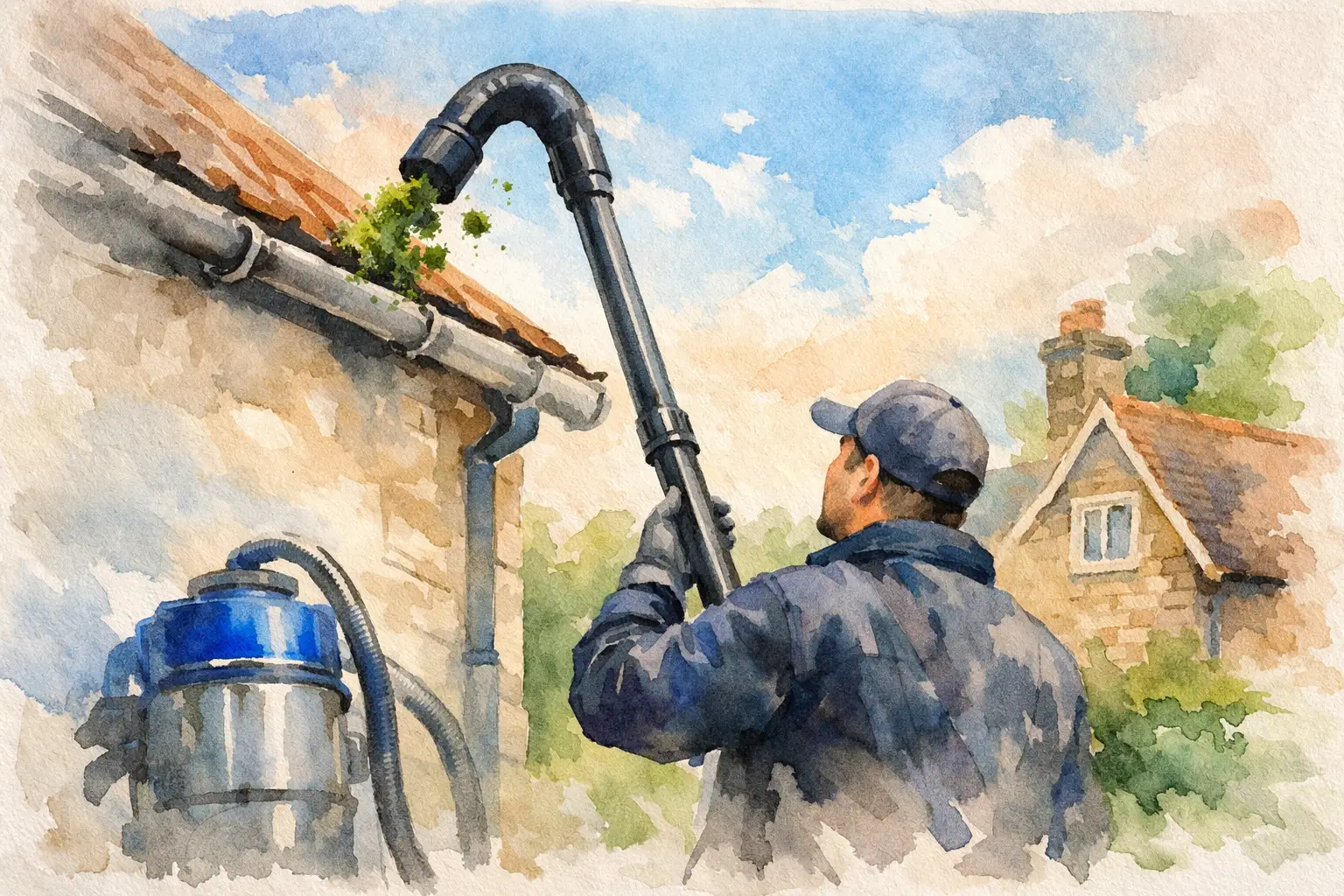
Roofs are the clearest example. Pressure washing roof tiles can dislodge tiles, damage their protective surface, disturb mortar and push water beneath the roof covering. It can also spread moss into gutters and downpipes, creating the very blockages that lead to overflowing water.
A roof soft wash or suitable low-pressure treatment is generally the safer way to manage moss, algae and lichen. Any loose debris should be removed carefully, and gutters should be cleared afterwards so rainwater can flow freely.
Render also needs a cautious approach. High pressure can mark, crack or strip a rendered finish, especially where the surface is already weathered. Soft washing is commonly used to remove algae and staining without damaging the appearance of the wall.
The same thinking applies to uPVC, painted surfaces, cladding, conservatory frames, fascias and soffits. These areas can look much cleaner after a gentle treatment, but they are not built to take a hard blast from close range.
The risks of choosing the wrong method
Exterior cleaning can look simple from the ground, but poor technique often creates expensive problems. High pressure can remove paint, gouge timber, disturb loose roof materials and force dirty water into cracks, vents and gaps around windows.
Soft washing also needs to be handled properly. The wrong treatment or an incorrect dilution can affect surrounding plants, lawns and sensitive materials. A careful contractor will assess the area, protect nearby planting where needed, control runoff and rinse surfaces properly.
There is also the question of access. Attempting to clean roofs, high walls or upper guttering from a ladder brings an obvious fall risk. It is not worth risking an injury to save a call-out. Professional equipment and safe working methods allow the work to be carried out without unnecessary climbing or unstable ladder work.
How often should exterior surfaces be cleaned?
There is no fixed timetable for every home. A sheltered property beneath trees may need attention more often than an open property with plenty of sun and airflow. Homes near the coast can also collect grime and biological growth differently from those further inland.
As a practical guide, inspect patios, paths, roofs, gutters and walls at least once a year. Look for green staining, moss, standing water, overflowing gutters, black streaks, loose debris and areas that are becoming slippery.
Gutters deserve particular attention after autumn and following storms. Moss from a roof and leaves from nearby trees can block gutters and downpipes quickly. Once water starts overflowing, it can run down walls, soak into brickwork and contribute to damp, staining and damage around the property.
Getting a professional result without creating new problems
The best cleaning method starts with an inspection, not with switching on a machine. A good exterior cleaning service will identify what the surface is made from, how sound it is, what is causing the staining and where the water will drain.
At McQueen’s Exterior Cleaning, the focus is on choosing a safe, practical method that protects the property. That may mean jet washing a hard patio, soft washing a delicate surface, clearing organic debris from rainwater systems, or combining services where a roof clean has filled gutters with moss.
Ask what method is being recommended and why. You should also be clear on whether any re-sanding, treatment or gutter clearance is needed after the clean. These details help the result last and reduce the chance of water-related problems later on.
If a surface is slippery, a roof is showing heavy moss, or your gutters are overflowing in the rain, deal with it before a small maintenance job becomes damp, water ingress or a costly repair. The safest clean is the one that leaves your home protected as well as looking cared for.
Leave a Reply